It can be unsettling to notice an unexpected bump, sore, or skin change in the intimate or groin region. For many people, such discoveries can trigger worry, embarrassment, or confusion—especially when information online is inconsistent or overwhelming. However, these issues are far more common than most realize. In most cases, bumps and irritations are harmless and easily managed with proper hygiene, awareness, and professional guidance when needed.
This comprehensive guide aims to help you understand why skin changes can occur in these sensitive areas, what the common causes are, and when it’s best to reach out to a healthcare provider. The purpose of this article is purely educational—to encourage self-care, support informed decision-making, and promote overall health and wellness in a medically responsible way.
Part 1: Common and Harmless Skin Conditions
In many situations, small bumps or mild irritations appear as a result of daily habits, hair removal, or clogged pores. These tend to heal on their own with good hygiene and gentle care. Let’s explore some of the most frequent causes.
1. Folliculitis: Inflammation of Hair Follicles
One of the most common explanations for small red bumps in the groin area is folliculitis—a condition where the hair follicles become inflamed or mildly infected.
What It Looks Like:
Folliculitis often appears as small, red or white-tipped pimples around hair follicles. The surrounding skin may feel warm or tender. Sometimes, the bumps may fill with a small amount of pus and resemble acne.
Why It Happens:
This condition is typically caused by friction from tight clothing, trapped sweat, or irritation from shaving or waxing. When hair follicles are repeatedly rubbed or exposed to bacteria, they can become inflamed. People who use synthetic fabrics or have sensitive skin are more likely to experience this problem.
Prevention and Care Tips:
- Keep the area clean and dry.
- Use a gentle, fragrance-free cleanser daily.
- Apply a warm compress for 15–20 minutes to help calm inflammation.
- Avoid shaving or waxing until the bumps subside.
- Choose loose-fitting, breathable cotton underwear.
If the problem doesn’t improve in a week or two, or if the bumps are painful, a healthcare professional may prescribe a topical or oral antibiotic to clear the infection.
2. Sebaceous (Oil) Cysts: Blocked Skin Glands
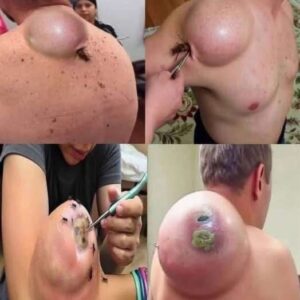
Another frequent cause of firm, smooth lumps under the skin is a sebaceous cyst. These are small sacs filled with natural skin oil (sebum) that form when a gland becomes blocked.
Appearance and Feel:
Sebaceous cysts are usually round, mobile lumps beneath the skin. They are typically painless unless irritated or infected, at which point they can swell, redden, or feel sore.
Why They Develop:
They often arise due to skin trauma, a scratch, or a blocked pore. These cysts are not contagious and have no connection to hygiene issues.
How to Handle Them:
- Never attempt to squeeze or drain a cyst at home.
- Apply warm compresses to encourage healing.
- If the cyst grows, becomes painful, or shows signs of infection, consult a healthcare provider.
A doctor can safely drain the cyst or remove it surgically to prevent recurrence.
3. Ingrown Hairs: Curled Hair Beneath the Skin
When a hair curls back or grows sideways into the skin instead of outward, it can cause irritation and form a small bump. These are known as ingrown hairs.
How They Appear:
Ingrown hairs look like tiny, raised, red or pink bumps—sometimes resembling pimples. You may notice a visible hair trapped beneath the skin’s surface.
Why They Occur:
They are especially common in people with curly or coarse hair, and they often appear after shaving too closely or waxing. Dry skin can also contribute by making it harder for new hairs to grow out properly.
Best Prevention Practices:
- Use a clean, sharp razor each time you shave.
- Shave in the direction of hair growth, not against it.
- Exfoliate gently with a soft cloth or mild scrub to remove dead skin cells.
- Consider trimming instead of shaving for less irritation.
Most cases resolve naturally, but persistent or painful bumps should be checked by a healthcare professional.
Part 2: Conditions That Require Medical Evaluation
While most bumps are harmless, some can be signs of infections or inflammatory conditions that need proper diagnosis and medical care. The following conditions are provided here for educational awareness—diagnosis should always be made by a licensed medical provider.
1. Skin Growths Related to Certain Viral Infections
Certain viruses can lead to the appearance of small skin growths in the genital or groin area. These are generally benign but require proper medical identification to distinguish them from other skin issues.
Typical Features:
Such growths may appear as smooth or slightly raised clusters of bumps that are skin-colored or pinkish. They are often painless but may cause mild irritation or itching.
Why Evaluation Matters:
Many different skin conditions can resemble one another. A healthcare provider can confirm the exact cause through a visual examination and, if necessary, additional tests. Early identification is key for proper treatment and peace of mind.
Possible Treatment Options:
- Topical medications prescribed by a healthcare professional.
- Cryotherapy (freezing) or laser therapy for removal.
- Preventive care through vaccination and safe contact practices.
Discussing the HPV vaccine with your healthcare provider is strongly recommended, as it helps prevent the most common viral strains linked to genital warts and certain cancers.
2. Viral Skin Irritations: Herpes Simplex Virus (HSV)
The Herpes Simplex Virus can cause skin irritation or recurring blisters in the genital or mouth area. It is a long-term viral infection that many people manage effectively with medical treatment.
Common Symptoms:
Small blisters or open sores may appear in clusters, sometimes preceded by a tingling or burning sensation. These may crust over and heal in a few weeks. The first episode can be more intense than later recurrences.
Why Diagnosis Is Important:
A swab test or blood test can confirm whether HSV is present. Having a clear diagnosis helps patients manage symptoms responsibly and take precautions to prevent spreading the infection.
Management and Treatment:
Although there is no cure for HSV, antiviral medications—such as valacyclovir or acyclovir—are highly effective. They help shorten outbreaks, reduce severity, and minimize transmission risks.
- Episodic therapy involves taking medication at the first sign of symptoms.
- Suppressive therapy means taking medication daily to prevent outbreaks altogether.
- 3. Molluscum Contagiosum: Pearly Skin BumpsThis common skin condition is caused by a harmless virus that produces small, firm, pearly bumps with a dimple in the center. It spreads through direct skin contact or shared objects like towels.Typical Appearance:
The bumps are usually painless, round, and flesh-toned. Scratching them can spread the virus to nearby skin.Treatment and Prevention:
The condition often resolves naturally within a year. However, doctors can remove bumps with cryotherapy or topical solutions to prevent further spread. Avoid picking or scratching the area, and keep the skin clean and covered. - 4. Bacterial Infections Like SyphilisSome bacterial infections can present with sores or rashes in the genital or oral regions. One such infection is syphilis, which progresses in stages if not treated promptly.Early Signs:
The first stage usually involves a firm, painless sore at the infection site. It may go away on its own, but the bacteria remain in the body if untreated.Later Symptoms:
The second stage can cause a widespread rash, swollen lymph nodes, or flu-like symptoms. Without proper treatment, serious long-term damage to internal organs can occur.Why Early Treatment Is Crucial:
Syphilis is curable with antibiotics, usually penicillin. Timely diagnosis and treatment prevent severe complications and transmission. - 5. Chronic Skin ConditionsCertain non-infectious skin disorders can affect the genital or groin area, leading to persistent itching, discoloration, or discomfort. Examples include lichen sclerosus and lichen planus.Lichen Sclerosus:
This causes thin, delicate skin that may appear pale or wrinkled. It can lead to irritation and scarring if not managed. Treatment involves corticosteroid creams to reduce inflammation.Lichen Planus:
This appears as flat, purplish patches or erosive lesions. It can cause discomfort, especially in moist areas. Topical or oral medications prescribed by a dermatologist can control symptoms effectively. - Part 3: When to See a Healthcare ProfessionalIt’s always wise to seek professional evaluation if you’re unsure about any new or persistent change in your skin. Even if the cause is minor, a healthcare visit can provide reassurance and proper care.You should schedule an appointment if:
- The bump, sore, or rash does not heal within two weeks.
- There is persistent pain, tenderness, or itching.
- The area changes rapidly in color, size, or shape.
- You develop a fever, swollen lymph nodes, or fatigue.
- You’re simply uncertain or anxious about the symptoms.
Wash the genital area once a day using warm water and mild, fragrance-free soap. Avoid over-washing or using harsh antibacterial products that can disrupt natural balance.2. Choose Breathable Fabrics:
Wear cotton underwear and loose clothing to minimize moisture buildup and friction.3. Manage Hair Removal Carefully:
Use a clean razor and shave in the direction of growth. Consider trimming or using electric clippers for lower irritation. Avoid sharing razors.4. Prioritize Protection During Intimate Contact:
Condoms and dental dams provide effective protection against many infections, though no method is 100% foolproof. Combining protective methods with regular health screenings provides the best results.5. Stay Up to Date With Vaccinations:
The HPV vaccine helps prevent many common strains linked to warts and certain cancers. It’s a key preventive tool recommended for both men and women.6. Schedule Regular Checkups:
Regular visits to your healthcare provider support early detection of any concerns and encourage open discussions about sexual health in a safe, nonjudgmental setting.Part 5: Common Myths and FactsMyth 1: Every bump or sore in the genital area means you have an infection.
Fact: Many bumps are caused by irritation, shaving, or blocked pores—completely unrelated to infection.Myth 2: Good hygiene alone prevents all skin problems.
Fact: Hygiene helps but doesn’t guarantee prevention. Some skin issues are caused by allergies, hormones, or immune responses.Myth 3: Only people who are sexually active can develop genital skin issues.
Fact: Skin conditions like cysts, folliculitis, and eczema can affect anyone, regardless of sexual activity.Myth 4: Once you have a viral infection like HSV or HPV, your health is doomed.
Fact: With proper care and medical management, most people live completely healthy lives and rarely experience serious complications. - Part 6: Taking Care of Mental and Emotional HealthDealing with changes in intimate areas can bring not only physical discomfort but also emotional stress. Feelings of embarrassment, fear, or self-blame are common—but unnecessary. Remember, skin issues are part of normal human experience, and seeking help is an act of self-respect, not shame.If anxiety or worry feels overwhelming, consider:
- Talking openly with a healthcare provider you trust.
- Joining support groups focused on body positivity and health education.
- Practicing mindfulness and stress reduction techniques such as deep breathing or journaling.
- Final Thoughts: Knowledge, Care, and ConfidenceDiscovering an unfamiliar bump or sore can be unnerving, but it’s important to remember that most are harmless and easily treated. Conditions such as folliculitis, cysts, or ingrown hairs often resolve with simple care. For those that require medical evaluation, modern treatments are safe, effective, and widely available.Your skin health in sensitive regions is just as important as any other aspect of your body’s well-being. Paying attention to changes, practicing good hygiene, and consulting a healthcare provider when needed are the foundations of responsible self-care. Empower yourself with knowledge, stay calm, and remember: getting professional advice early is always the best course of action.When it comes to your health, awareness is protection, and action is confidence.