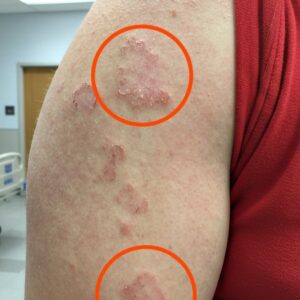
At first glance, many people might mistake a tick for a small insect or a harmless bump on the skin. However, ticks are tiny parasites that can attach themselves to animals and humans, feeding on blood for extended periods of time. The image above illustrates two common situations involving ticks: one shows a tick after feeding, and the other shows a tick attached to a person’s scalp.
Although ticks are small, their presence can sometimes lead to health concerns. Understanding how ticks behave, how they attach to the skin, and how to remove them safely is an important part of protecting both personal health and the well-being of pets and family members.
Ticks are found in many parts of the world, particularly in areas with tall grass, forests, and wildlife. Because they can carry certain diseases, awareness and prevention are essential.
What Exactly Is a Tick?
Ticks are parasitic arachnids, meaning they are more closely related to spiders and mites than to insects. Unlike insects, ticks have eight legs and lack wings. They survive by feeding on the blood of animals, birds, reptiles, and humans.
When a tick finds a host, it attaches itself to the skin using specialized mouthparts. It then feeds slowly, sometimes remaining attached for hours or even days.
During feeding, the tick’s body expands as it fills with blood. This is why ticks that have fed appear larger and rounder than those that have not yet attached to a host.
In the image provided, the tick on the left appears swollen after feeding, while the image on the right shows a tick embedded in the scalp area.
Where Ticks Are Commonly Found
Ticks thrive in environments where they can easily come into contact with animals or humans. These environments often include:
• Forests and wooded areas
• Tall grass and dense vegetation
• Parks and hiking trails
• Areas with large populations of wildlife
• Gardens with thick ground cover
Ticks do not jump or fly. Instead, they use a behavior known as “questing.” During questing, ticks climb onto grass or leaves and wait with their legs extended. When a person or animal brushes past the vegetation, the tick quickly grabs onto the host.
This simple yet effective strategy allows ticks to attach to passing hosts without needing to move long distances.
Why Ticks Attach to Humans
Ticks rely on blood as their primary source of nutrition. Once they attach to a host, they insert their mouthparts into the skin and begin feeding.
During feeding, ticks release substances that help them remain attached. These substances can reduce pain and irritation, which is why many people do not notice a tick bite immediately.
Ticks often choose warm, hidden areas of the body where they are less likely to be disturbed. Common attachment sites include:
• The scalp and hairline
• Behind the ears
• Under the arms
• Around the waist
• Behind the knees
• Between the legs
The scalp is a particularly common location because hair can hide the tick, making it harder to detect.
Why Tick Bites Matter
While many tick bites cause only minor irritation, some ticks can carry bacteria, viruses, or parasites that lead to illness. Not all ticks transmit disease, but the possibility makes prevention and awareness important.
One of the most widely known illnesses associated with tick bites is Lyme Disease. This infection is caused by bacteria that certain tick species can transmit during feeding.
Other illnesses associated with tick bites may include:
• Rocky Mountain Spotted Fever
• Babesiosis
• Anaplasmosis
These conditions vary in severity and symptoms, but early detection and treatment often improve outcomes.
It is important to note that transmission of disease typically requires the tick to remain attached for a significant amount of time, which is why early detection is beneficial.
Recognizing a Tick Bite
A tick bite may not always be immediately noticeable. In many cases, the tick remains attached and feeds quietly without causing significant discomfort.
However, some people may notice:
• A small dark bump on the skin
• Mild redness around the bite
• Slight itching or irritation
• A tick visible on the skin
If a tick remains attached long enough to become engorged with blood, it may appear larger and more rounded, similar to the tick shown in the left side of the image.
Regular skin checks after spending time outdoors can help detect ticks before they have been attached for long periods.
How to Safely Remove a Tick
If a tick is found attached to the skin, removing it promptly and carefully is important.
Health experts generally recommend the following steps:
- Use fine-tipped tweezers.
- Grasp the tick as close to the skin’s surface as possible.
- Pull upward slowly and steadily.
- Avoid twisting or crushing the tick.
- Clean the bite area with soap and water or antiseptic.
After removal, the tick can be sealed in a small container or bag in case identification becomes necessary later.
Using methods such as burning the tick, applying petroleum jelly, or using chemicals is not recommended because these techniques may cause the tick to release more saliva into the skin.
Monitoring the Bite Area
After removing a tick, it is helpful to monitor the bite area over the following days or weeks.
Some mild redness or irritation is normal. However, certain symptoms may require medical attention.
These may include:
• Fever
• Unusual rash
• Fatigue
• Muscle aches
• Joint pain
A rash associated with Lyme disease sometimes forms a circular pattern that gradually expands outward.
If any unusual symptoms appear, contacting a healthcare professional is recommended.
Protecting Yourself From Ticks
Preventing tick bites is often easier than dealing with them afterward. Several simple precautions can significantly reduce the risk of encountering ticks.
These precautions include:
• Wearing long sleeves and long pants in wooded areas
• Tucking pants into socks when hiking through tall grass
• Using insect repellents approved for tick protection
• Staying on cleared trails when walking outdoors
• Showering after spending time in nature
Performing a full-body check after outdoor activities is one of the most effective ways to detect ticks early.
Checking Children and Pets
Children and pets are particularly vulnerable to tick bites because they often spend time playing outdoors.
Parents should check children carefully after they return from outdoor activities. Areas such as the scalp, neck, and behind the ears are especially important to examine.
Pets should also be checked regularly, particularly if they spend time in grassy or wooded areas.
Veterinarians often recommend tick prevention treatments for dogs and cats, which can reduce the likelihood of ticks attaching to pets.
Tick Season and Climate
Ticks are most active during warmer months, typically from spring through early autumn. However, in some climates they can remain active year-round.
Warmer temperatures and increased humidity create favorable conditions for ticks. Climate changes in recent years have also contributed to shifts in tick populations and distribution.
As a result, some regions that previously had low tick activity are now experiencing higher numbers.
Understanding local tick activity patterns can help individuals take appropriate precautions during outdoor activities.
Misconceptions About Ticks
Many misconceptions exist about ticks and how they behave.
One common myth is that ticks jump or fall from trees onto people. In reality, ticks usually attach when someone brushes against vegetation where the tick is waiting.
Another misconception is that ticks are always easy to feel when they bite. In fact, their saliva contains compounds that reduce pain and irritation, allowing them to remain unnoticed for some time.
Understanding these facts helps people take better preventive measures.
The Importance of Awareness
Images like the one shown can be surprising because they reveal how large ticks can become after feeding and how easily they can attach to areas like the scalp.
While the image may seem alarming, it also serves as an important reminder of why awareness matters.
By understanding what ticks look like and how they behave, people can detect them more quickly and reduce potential health risks.
Education is one of the most effective tools for preventing tick-related problems.
Conclusion
Ticks may be small, but their impact can be significant. These tiny parasites rely on blood meals to survive and can sometimes carry diseases that affect both humans and animals.
The images presented highlight two key aspects of tick encounters: the appearance of an engorged tick after feeding and the way ticks attach to the skin, particularly in hidden areas like the scalp.
Fortunately, simple steps such as wearing protective clothing, checking the body after outdoor activities, and removing ticks properly can greatly reduce risks.
By staying informed and vigilant, individuals can continue to enjoy outdoor environments while minimizing the chances of tick bites and related health concerns.