United States Declares Interim Control Over Venezuela Following Capture of Nicolás Maduro, Raising Global Alarm Over Sovereignty, International Law, Regional Stability, Energy Politics, and the Long-Term Consequences of America’s Most Unorthodox Regime Intervention in the Western Hemisphere

The announcement that the United States had captured Venezuelan President Nicolás Maduro and would temporarily administer the country sent shockwaves through global politics. Delivered with blunt certainty by President Donald Trump, the declaration marked a dramatic shift from sanctions and pressure to open control of a sovereign state. While Maduro’s rule has long been condemned for authoritarianism and economic ruin, the method chosen by Washington immediately ignited debates over legality, precedent, and power.

From the US perspective, the operation was framed as a blend of counter-narcotics enforcement and national security necessity. Officials pointed to allegations linking Maduro’s inner circle to organized crime, portraying the capture as a law-enforcement action rather than regime change. Yet airstrikes and the declaration of interim US governance blur that distinction, raising serious questions under international law.

The lack of a clear UN mandate complicates claims of legitimacy. Although some argue democratic intervention or humanitarian necessity, such doctrines remain narrow and contested. By acting unilaterally, Washington risks undermining the very norms it often invokes against rivals, weakening its moral authority on the global stage.

Regionally, the move threatens instability in an already strained Latin America. Venezuela’s collapse has displaced millions, and Maduro’s removal does not guarantee unity. Fragmentation among civilian leaders and security forces could lead to internal conflict, while neighboring states quietly worry about the precedent of renewed US interventionism.

Globally, rivals such as Russia and China are likely to exploit the moment rhetorically, using it to justify their own challenges to sovereignty norms. Allies, particularly in Europe, face uncomfortable choices between public condemnation and strategic silence, further eroding international consistency.

At home, the intervention carries political risk. Public appetite for foreign entanglements is limited, and prolonged responsibility could fracture domestic support. Ultimately, the United States will be judged not by the removal of Maduro, but by whether it can deliver a credible transition that restores Venezuelan sovereignty rather than replaces one form of control with another.

Mod

Related Posts

BREAKING: At least 21 dead, 34 injured after mass shooting at child…See more

Stockton, California — A Child’s Birthday Party Turns Into ChaosWhat began as a joyful Saturday celebration — balloons taped to fences, children laughing, a birthday cake waiting…

Outback Workers Wish Nobody Saw What They Wrote On Cops’ Receipt

Four Louisiana police officers were working their shifts as normal, and when they became hungry, they decided to go to Outback Steakhouse to grab a bite to…

Mother of the Year: Brave Dog Battles Giant Anaconda to Protect Her Puppies!

In a staggering display of raw courage and motherly instinct, a viral video has captured a life-or-death struggle between a mother dog and a massive anaconda. The…

Painful Nose Abscess and Severe Blackhead Inflammation: Causes, Treatment, and Prevention

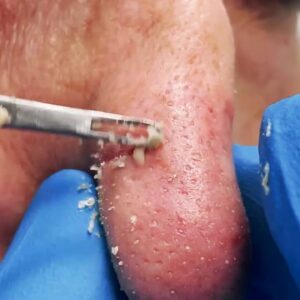
The nose is one of the most common areas for clogged pores and acne due to its high concentration of oil glands. However, when a blocked pore becomes infected, it can develop into a painful abscess. The images above show two different but related conditions: an inflamed pustular lesion on the nasal bridge and multiple infected blackheads with surrounding redness and swelling. Facial infections require careful attention because of the sensitive anatomy and visibility of the area. Understanding Nasal Acne and Abscess Formation 1. Inflamed Acne Lesions (Pustules) A pustule forms when: This results in redness, swelling, and tenderness. 2. Infected Blackheads (Open Comedones) Blackheads form when: When bacteria invade these clogged pores, they can become inflamed, swollen, and painful. Improper extraction may lead to bleeding and infection. Why the Nose Is Highly Vulnerable The nose contains: Additionally, touching the face frequently increases the risk of introducing bacteria. Signs of a Developing Nose Abscess A mild pimple may progress into a more serious infection if you notice: In some cases, pressure buildup makes the skin appear shiny and stretched. Why You Should Not Pop Nose Lesions The central facial area contains important blood vessels. Aggressive squeezing may: Professional treatment is significantly safer. Medical Treatment Options 1. Professional Drainage For abscesses, a healthcare provider may: This relieves pressure and reduces pain. 2. Topical or Oral Medications Depending on severity, treatment may include: 3. Acne Management Plan…

8 Signs You May Have Parasites That You’re Probably Missing

Parasites might sound like a distant hazard, but the truth is: they can show up in your everyday life, even if you haven’t left your home. These uninvited guests can affect your…

Taylor Swifts New Romance!

The intersection of global superstardom and personal intimacy has always been a focal point of the cultural zeitgeist, but few figures command this narrative with the intensity…

Leave a Reply

Your email address will not be published. Required fields are marked *