We are constantly reminded of the importance of getting at least 7 hours of sleep each night. However, factors like stress-induced insomnia or various external disturbances often prevent many from achieving this recommended amount. The sleep technology company Simba recently used artificial intelligence to uncover the physical consequences of sleep deprivation, and experts now caution that this lack of sleep may be taking a serious toll on our bodies.
Hormonal Fluctuations
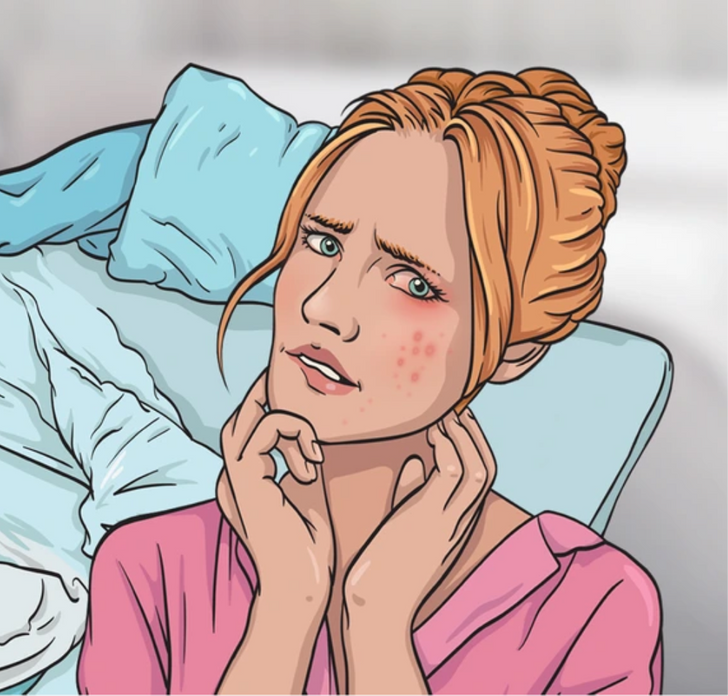
Simba conducted a survey of 2,175 UK adults, gathering insights on their sleep patterns, physical health, and appearance. The collected data was then processed through an AI bot, which visually demonstrated the effects of sleeping more or less than seven hours per night. “A lack of sleep doesn’t just leave you tired — it shows up all over your body,” said Lisa Artis, Deputy CEO of Simba’s charity partner, The Sleep Charity.
“When you’re sleep-deprived, cortisol levels — the stress hormone — rise, exacerbating inflammatory skin conditions, worsening conditions like eczema and psoriasis, leading to irritation, redness, and itching,” explained Artis.
Various Skin Problems
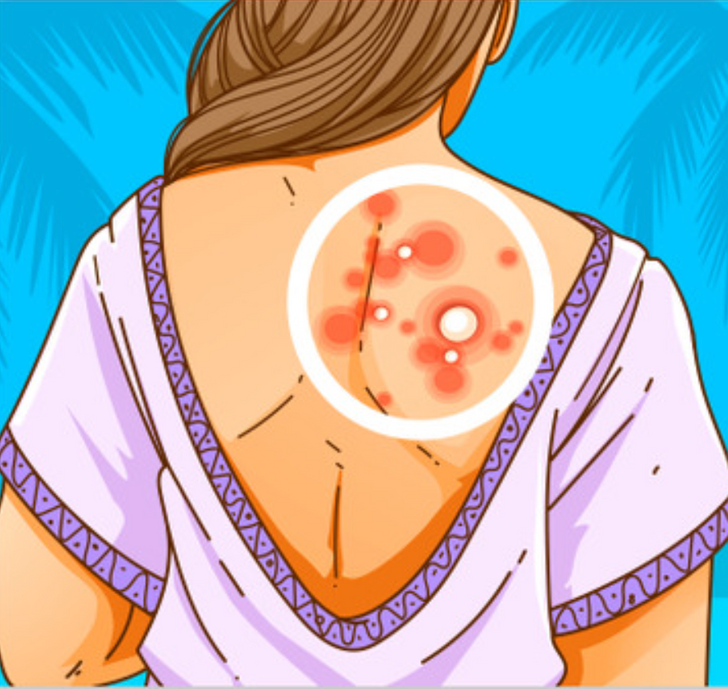
The experiment reveals that the skin is one of the first areas to display signs of sleep deprivation. “When sleep is compromised, reduced blood flow causes the skin to appear sallow and lack vibrancy, stripping it of its natural glow and vitality,” explained Artis.
Among those who reported insufficient sleep, 24% noted increased skin sensitivity. Other frequently reported skin issues included eczema (16%), psoriasis (7%), and a dull complexion (10%). “At night, the skin works overtime to regenerate and repair itself,” Ms.
Artis explained. “During rest, blood flow increases, supporting its natural repair processes and promoting a healthy, radiant complexion,” she added.
Brittle Nails

Furthermore, 15% of individuals with inadequate sleep reported experiencing brittle nails, underscoring a potential link between chronic sleep deprivation and weakened nail health.This association may stem from disruptions in the body’s natural repair mechanisms, which are essential for maintaining nail strength.
Weight Gain
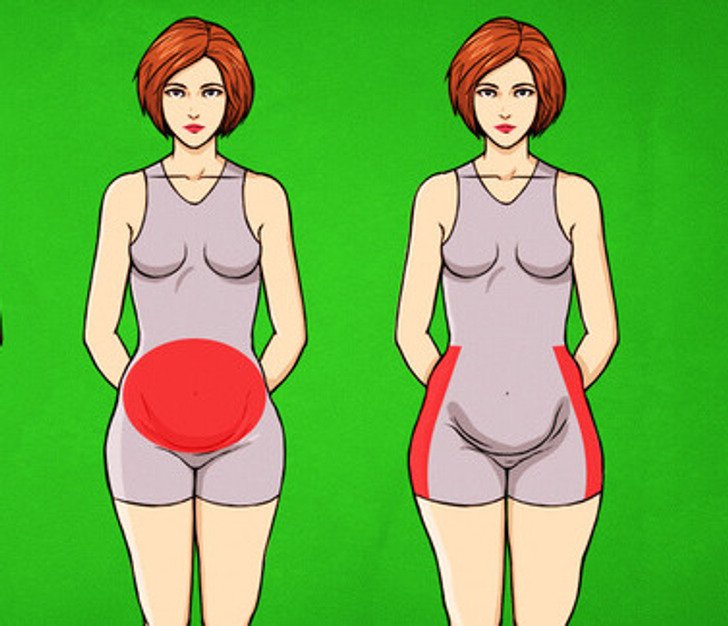
Additionally, lack of sleep can contribute to weight gain. The survey revealed that 26% of those who didn’t get enough sleep were overweight, while 32% experienced bloating.
“During sleep, the body balances hormones like ghrelin and leptin, which control hunger and satiety,” Ms. Artis explained. Without adequate rest, ghrelin levels spike, making people feel hungrier, while leptin levels decrease, reducing the feeling of fullness.
“This hormonal imbalance triggers overeating, especially cravings for high-calorie sugary foods.”
According to Ms. Artis, sleep deprivation may also play a role in the different ways men and women gain weight. “Women are more likely to see increased fat in the hips and thighs due to hormonal changes, while men may notice more abdominal fat due to decreased testosterone levels,” she said.
Imbalance in the body’s internal temperature
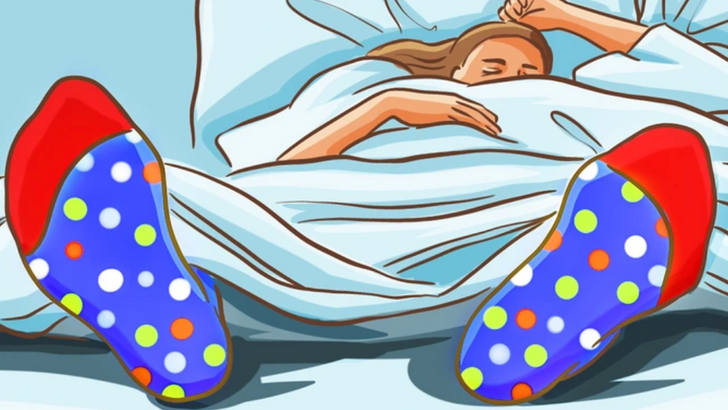
Another unexpected effect of insufficient sleep is having cold hands and feet. “Body temperature is also under circadian control… Sleep loss can impair the body’s ability to manage and adjust its internal temperature, causing fluctuations and discomfort in the hands and other extremities,” Ms.
Artis explained.
Constipation

Another study investigated the potential relationship between sleep disturbances and various types of constipation in patients. The findings suggested that people with a history of insufficient sleep had a significantly higher risk of developing constipation, highlighting the importance of sleep quality in gastrointestinal health.
The amount of sleep a person needs varies based on multiple factors. “A healthy adult usually needs around 7 to 9 hours of sleep,” the NHS advises. However, individual requirements differ depending on factors such as age, health, and personal circumstances.
Some people naturally require more sleep than others. Teenagers, children, and babies need additional rest to support their growth, with newborns sleeping anywhere from 8 to 16 hours a day.
Source: Brightside