Marriage is often envisioned as a singular destination, but for many, it is a progressive journey of emotional evolution. The transition from a first marriage to a second—or even a third—is rarely about repeating past mistakes. Instead, it represents a profound recalibration of the self. As individuals move through these successive unions, they accumulate a treasury of life lessons, sharpening their understanding of personal boundaries, emotional needs, and the true meaning of companionship. Each stage of this journey offers a unique vantage point, shaped by the wisdom that only comes through the lived experience of both love and loss.
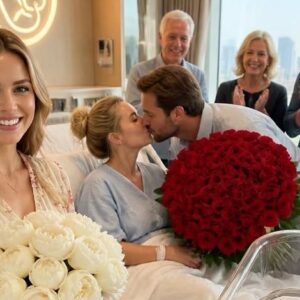
First marriages are typically defined by a high degree of idealism and romantic hope. Most couples enter their first union with a “blank slate” perspective, fueled by shared dreams of building a perfect life from the ground up. However, this stage is often characterized by a lack of seasoned relationship skills. Without the benefit of hindsight, young couples may struggle to navigate the friction of domestic life, the complexities of effective communication, or the unexpected weight of external stressors. In a first marriage, the gap between idealized expectations and day-to-day reality can feel like an insurmountable chasm, often leading to disillusionment when the “perfect” life proves to be far more complicated than anticipated.
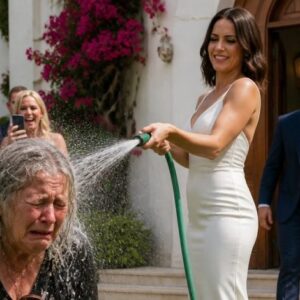
By the time an individual enters a second marriage, the lens of idealism has usually been replaced by one of grounded pragmatism. Having weathered the dissolution of a previous partnership, these individuals often possess a clearer sense of their own identity and non-negotiables. Second marriages tend to prioritize functional harmony—focusing on open dialogue, proactive problem-solving, and a more realistic approach to compromise. However, this stage introduces its own intricate challenges, such as the delicate art of blending families or managing complex financial histories. While emotional scars from the past may occasionally resurface, the resilience gained from the first experience often allows for a more stable, intentional connection that honors both partners’ individual histories.
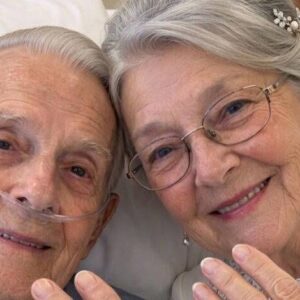
Third marriages often reflect the ultimate shift in perspective: the transition from societal expectations to authentic partnership. At this stage, the “performative” aspects of marriage—the need for a perfect image or the pressure to hit traditional milestones—tend to fall away. Instead, the focus shifts entirely to emotional intimacy, mutual respect, and shared values. Those in their third marriage frequently possess an advanced level of emotional maturity, allowing for deeper empathy and a collaborative approach to conflict. There is often a newfound appreciation for personal autonomy, as partners realize that a healthy union is built on two whole individuals rather than two halves searching for completion. The third marriage is less about “starting over” and more about finding a genuine sanctuary of peace and companionship.
Regardless of the numerical order, the foundational pillars of a successful union remain consistent: honesty, patience, and a shared commitment to growth. Every marriage is a dynamic entity, influenced by shifting family dynamics, cultural backgrounds, and personal goals. The path from the first to the third marriage is a testament to the human capacity for healing and renewal. It is a journey that proves that love is not a static institution, but an evolving craft. By embracing the lessons of the past and prioritizing compassion over ego, couples at any stage can cultivate a relationship that is not only lasting but deeply enriching—proving that wisdom is the most powerful ingredient in the alchemy of a meaningful life.