Agents swarmed the North Lawn in seconds, shouting for everyone to get down as gunfire broke out near the White House press area. ABC correspondent Selena Wang dropped mid-recording and ran with reporters toward a secure entrance, while the briefing room quickly turned into a shelter as doors locked behind them and a Secret Service agent took position at the threshold.
Outside, streets around the White House were sealed within moments as armored vehicles blocked key points along 17th Street near the Eisenhower Executive Office Building. FBI and Secret Service conducted a joint sweep, establishing perimeters while tactical units moved through nearby areas. Radio channels filled with urgent, conflicting reports as the security response expanded across central Washington.
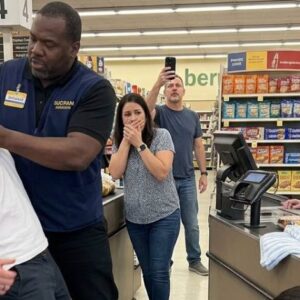
Inside, journalists and staff were ordered to shelter in place while communications teams tried to verify the threat. Movement was heavily restricted, silence was enforced, and agencies secured corridors and reinforced barriers around key access points as uncertainty spread through the complex.
“President Trump was reported to be inside the residence…” working on diplomatic discussions regarding a potential Iran peace framework, according to internal sources in the scenario. The contrast between high-level diplomacy and the unfolding emergency highlighted the fragility of security inside one of the capital’s most protected sites.
By around 7:00 p.m., lockdowns were lifted in stages, and authorities said the suspect was in hospital custody. Identity and motive were not immediately released. As restrictions eased, movement resumed across parts of Washington, though agencies continued post-incident sweeps, leaving the capital under heightened alert and lingering tension.