My father tossed my suitcase onto the roadside and set it alight. I was only thirteen.
We were traveling along a deserted country road when Dad suddenly braked, stepped outside, and pulled my suitcase from the trunk: “Get out.”
At first, I thought he was kidding. Then he scattered my clothes across the roadside and poured fuel onto the luggage.
“Dad, what are you doing?!” I cried out.
He lit a match. Within seconds, flames consumed everything I had brought with me.
“You’re no longer my family,” he declared coldly. “Never come back.”
My mother remained in the passenger seat, refusing to even face me, while my younger brother watched through the back window as Dad drove off. I stood barefoot beside the road, watching smoke drift upward from my belongings, with no phone, no cash, and no clue where I was.
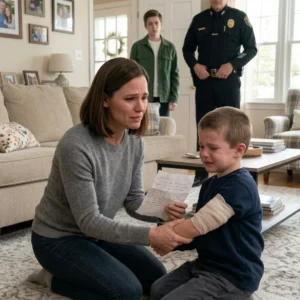
Eventually, a passing motorist stopped and contacted authorities. When an officer asked for my parents’ address, I gave it to him, but then spoke words I never dared say before: “I don’t want to return home. Not after what my father just did.”
Assured by the officer that I was safe, I initially stayed with extended family before entering the foster care system. I never reached out to my family again.
THE WEDDING INVITATION AND THE HIDDEN LETTER
Twenty years passed. I created a secure life without them. Then, last week, a wedding invitation arrived in my mailbox—my younger brother was getting married.
I nearly discarded it until I spotted another envelope hidden inside. Written across its front, in my mother’s familiar handwriting, were six words: “Please read this before the wedding.”
When I unfolded the letter, the opening sentence left my fingers numb: “Your father lied to you that night.”
Mom explained that she had concealed the truth for twenty years out of fear. First, she revealed that Dad had convinced relatives I had stolen $900 from his wallet, when in reality, that money had come from Mom herself to help me buy food after Dad stopped providing grocery money.
Even worse, that wasn’t the real reason he abandoned me.
When I was thirteen, I had discovered several envelopes inside Dad’s desk concerning Grandma’s savings disappearing. When I questioned him about why her money was vanishing, he panicked, accused Mom of snooping, and decided I needed to be removed permanently.
My brother Ethan had recently discovered Grandma’s old lockbox while cleaning out the family home before his wedding, finding duplicate bank statements, personal letters, and a warning that Dad was attempting to illegally seize Grandma’s property.
Along with the invitation, Ethan sent a text message: “Don’t visit the house. Dad knows the letter reached you.”
Only then did I understand why Mom had urged me to read the letter first. The invitation wasn’t just a wedding—it was a warning bell, and Grandma’s lockbox held a final sealed envelope with my name on it, waiting to shatter the lies I had lived with for half my life…